
Eritrea Tours & Travel: private guided journeys
Adulis Travel is a licensed tour operator in Asmara running private, tailor-made Eritrea tours: UNESCO-listed Asmara, the Dahlak Islands, Massawa, Keren and the ancient port of Adulis. 3–11 days from $780 per person, with visas, travel permits, guides and hotels all handled. The best time to visit is October to March.
Highland days clear and mild; the coast comfortable for islands and diving.
Three days covers Asmara alone; eleven adds the archaeological south.
Private and guided, with permits, transport and hotels included.
USD 70 government fee in cash at Asmara airport plus our USD 50 service fee, not included in the tour price. We file it and send the written approval before you fly. More about the Eritrea visa →
Required beyond the capital. We file them for you on arrival. Nothing to arrange in advance.
Connections via Cairo, Dubai, Jeddah and Istanbul.
International cards, ATMs and mobile payments do not work. Bring cash.
Guided travel is required outside the capital: a permit rule, not a danger rating.
English is widely used in tourism, in hotels and by every one of our guides.
Eritrea tours
When is the best time to go?
How to travel to Eritrea
Eritrea takes more planning than most destinations: a visa and Letter of Invitation, internal permits beyond Asmara, a cash-only economy and a single-connection flight via Cairo, Dubai or Istanbul. That is exactly what a licensed local operator is for: we handle every permit and booking, so the complexity is ours, not yours. Visa on arrival (a USD 70 government fee plus our USD 50 handling fee, with no other hidden costs) is available to most nationalities with our pre-approval; where it isn't, we help you apply at an Eritrean embassy in advance.
Visa & Letter of Invitation
Every visitor needs a visa. Most of our guests enter on a visa on arrival that we arrange: USD 70 paid in cash at Asmara airport, plus our USD 50 service fee.
We file the application with Eritrean immigration on your behalf and send you the written approval before you fly, so you board knowing it is granted. The decision is immigration’s, not ours, which is why we never ask you to book flights until it is in your hands.
Travel permits: required outside Asmara
Any travel outside the capital requires a travel permit, and some border and Danakil regions are completely closed to visitors. We file all permits upon your arrival and plan your route based on what is currently open, so you only travel where you are allowed to be. You never queue at an office.
How to get to Eritrea
There are no direct flights from Europe or North America. Asmara (ASM) is reached on one connection via Cairo, Dubai, Jeddah or Istanbul.
There is no flight between Addis Ababa and Asmara and the land border with Ethiopia is closed, so a trip combining the two countries has to route through a third country.
Money: bring cash
Eritrea is a cash economy. International cards, ATMs and mobile payments do not work, so bring enough US dollars or euros in cash for the whole trip and change them at the official rate.
Your tour is paid before you arrive, so the cash you carry is for the visa fee, tips, drinks and anything you buy.
Is Eritrea safe?
Crime against visitors is very rare, and travellers routinely describe Asmara as one of the safest capitals in Africa to walk at night.
The restriction worth knowing is administrative rather than a danger rating: you need a travel permit to go beyond Asmara, and we file those for you.
Getting around, what to pack and a sample 9-day itinerary
A few things worth knowing
- Photography has limits. Never photograph military sites, government buildings, the port or bridges, and always ask before photographing people, especially women in Muslim areas. We brief you on the etiquette before you arrive.
- You will be largely offline. Connectivity is among the slowest anywhere: internet is limited and slow, visitor mobile data is patchy and roaming unreliable. Hotels usually have lobby Wi-Fi, and a VPN helps if you need the open web. It is a fine place to switch off. We stay reachable for anything urgent.
- Health. No vaccinations are required for most travellers (a yellow-fever certificate only if you arrive from an affected country); any malaria risk is limited to the low coast, not the highland capital. Drink bottled water and carry insurance with medical evacuation.
Getting around
Every Adulis journey is private: your own vehicle, an English-speaking guide-driver and a pace you set. Roads between the main centres are good, and the winding descent from Asmara down to Massawa, 2,325 metres to sea level, is one of the great drives in the Horn of Africa. You never hire a car or navigate public transport; it is all arranged.
What to pack
- Layers: Asmara sits at 2,325 m and evenings stay cool year-round, while the coast is hot.
- Modest, comfortable clothing: shoulders and knees covered for churches, mosques and markets.
- Sun protection: hat, sunglasses and high-factor sunscreen for the highland light and the Red Sea.
- Cash in clean USD or EUR notes, a copy of your passport, and any medication in its original packaging.
- A power bank and European two-pin adapter: the supply is 220–240 V and the occasional cut happens.
A sample 9-day Eritrea itinerary
The shape of a first trip, and of our Eritrea tours:
- Days 1–2: Asmara. The UNESCO Art Deco capital on foot: Fiat Tagliero, Cinema Impero, the cathedral, the Tank Graveyard and Medeber market, with a coffee ceremony.
- Day 3: Keren. The highland road to the Monday camel market and the Mariam Dearit shrine in its baobab (we time the route so this lands on a Monday).
- Day 4: the descent to Massawa. Down through the clouds to the Red Sea and the coral-stone old town.
- Days 5–6: the Dahlak Islands. By boat to the archipelago for reef snorkelling, empty beaches and a night of island camping.
- Day 7: Qohaito & Adulis. Pre-Aksumite ruins on the plateau and the ancient Red Sea port on the way back.
- Days 8–9: Asmara & departure. A last morning in the capital before your flight home.
Prefer more history, more coast or more time in the highlands? We rebuild the route around you. Browse the full range of Eritrea tours or talk to a local specialist.
Things to do in Eritrea
See the 12 best attractions in Eritrea, ranked →
More to see and do
This Eritrea travel guide gives travelers the rare opportunity to experience authentic East Africa far from crowded tourist routes. The country combines surreal mountainous landscapes, historic coastal port towns, and rich cultural traditions influenced by African, Ottoman, and Italian heritage. From the architectural wonder of Asmara to the ancient ruins of Qohaito and the pristine waters of the Dahlak Archipelago, Eritrea is an extraordinary destination for anyone seeking adventure, deep culture, and unique landscapes. If you’re short on time, our Discover Eritrea: Hidden Gem tour is the perfect introduction to our full range of Eritrea tours. Below, we cover the best things to do in Eritrea (see also our full list of top Eritrea attractions), from Asmara’s Art Deco streets to the coral reefs of the Dahlak Archipelago.
Historical Sites to Visit in Eritrea
Eritrea’s history is deeply rooted in ancient civilizations, colonial influences, and independence struggles. Among the must-visit historical sites you will find architectural gems, ancient war memorials, and religious landmarks that tell the story of the country’s remarkable journey through time.
Asmara: A UNESCO World Heritage City
Asmara, Eritrea’s capital, is one of Africa’s most architecturally unique cities. Recognized as a UNESCO World Heritage Site, it is famous for its beautifully preserved Italian Modernist architecture from the 1930s. Walking through Asmara feels like stepping back in time. Highlights include:
- Cinema Impero: an iconic Art Deco cinema considered one of Africa’s finest.
- Fiat Tagliero Building: a futuristic, cantilevered aviation-inspired petrol station.
- Medebar Market: a vibrant recycling market where artisans craft everything from scrap metal.
Asmara’s cafe culture is legendary. Sip a perfect macchiato on Liberation Avenue surrounded by pastel-colored buildings, a uniquely Eritrean experience that rivals anything in Rome. Explore it in depth on our Asmara Art Deco City Tour, or read our full Asmara UNESCO World Heritage guide.
Massawa: Gateway to the Red Sea
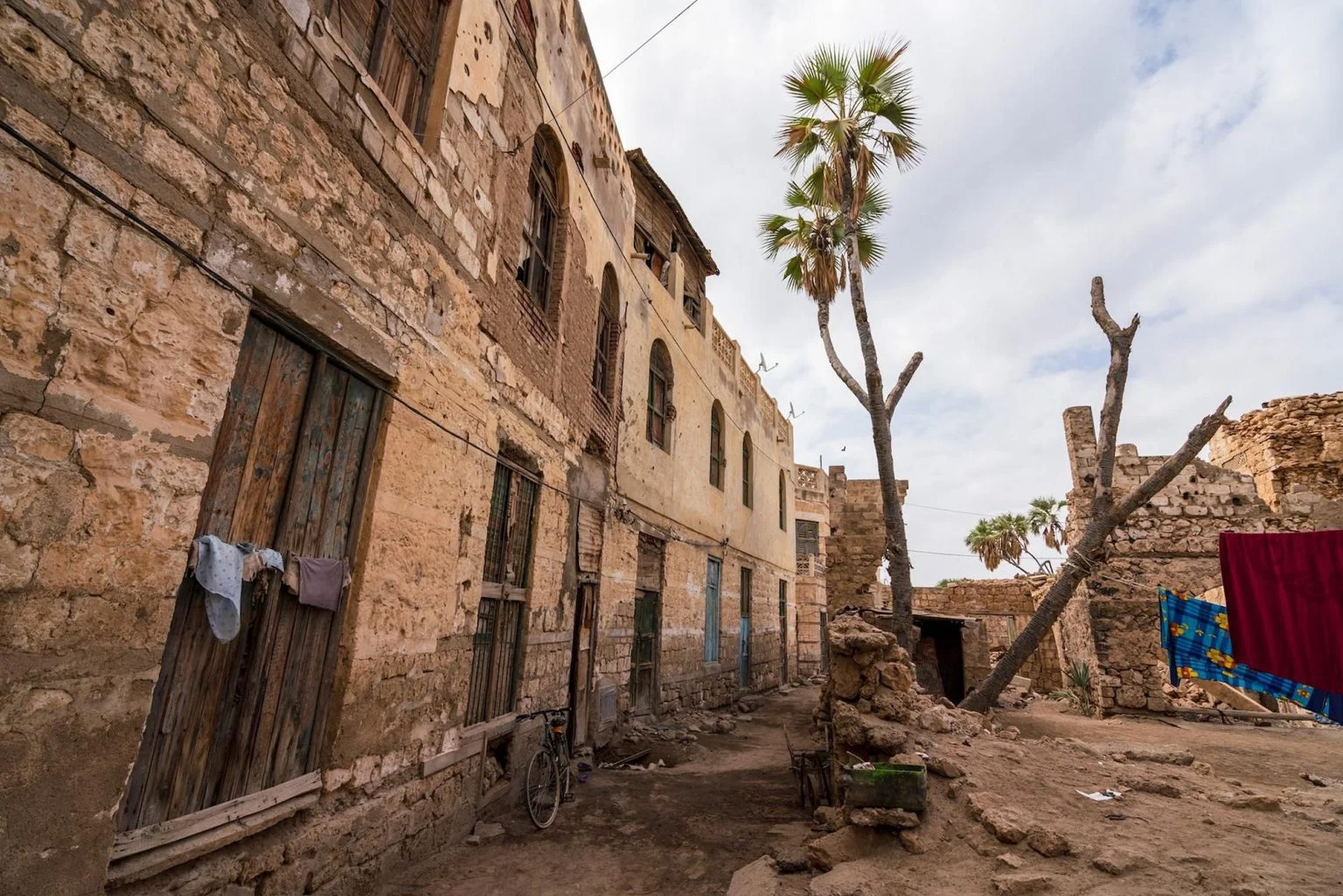
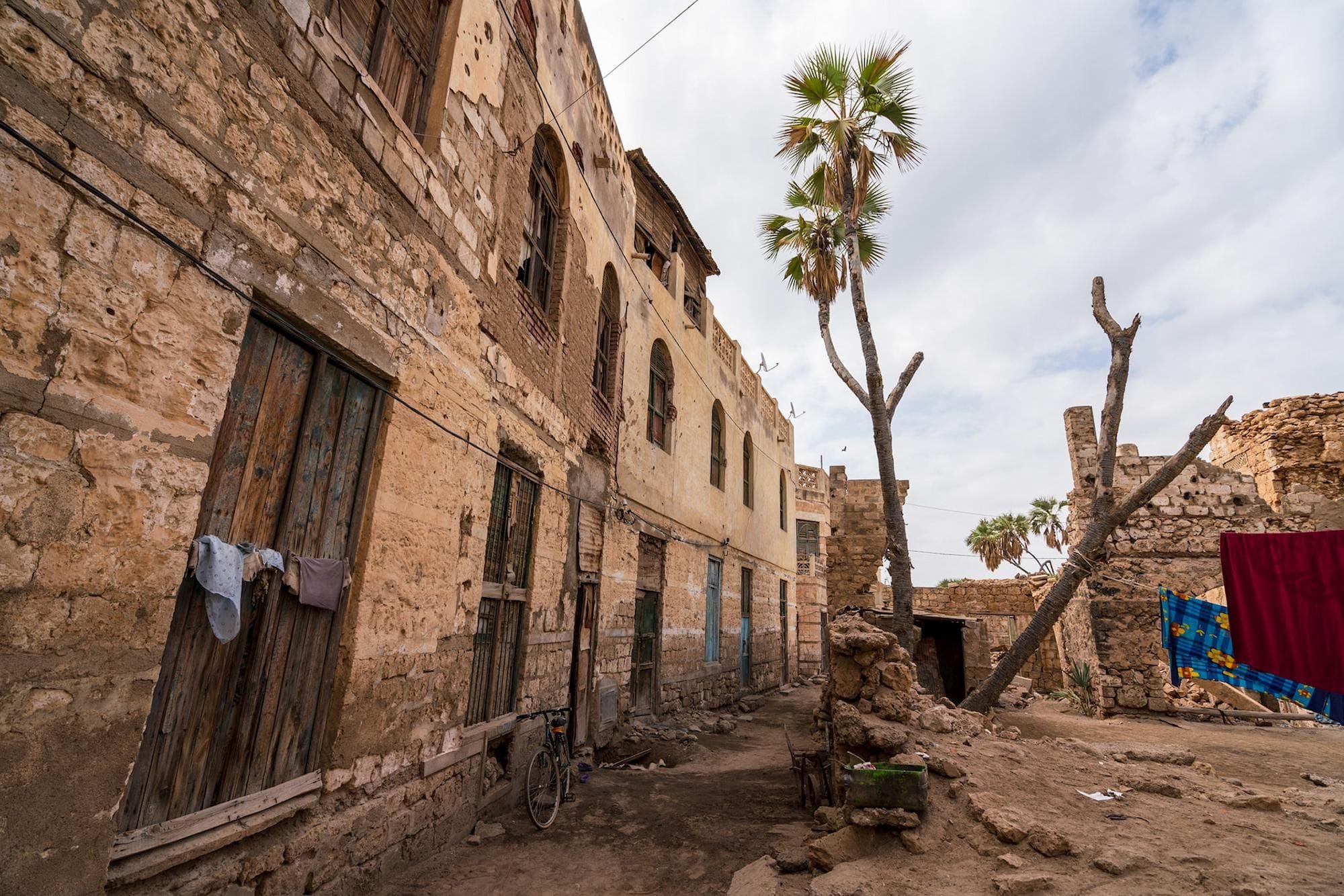
Massawa is Eritrea’s historic Red Sea port, serving as the country’s maritime gateway for centuries of trade. Its Old Town features a fascinating blend of Ottoman, Egyptian, and Italian architectural influences in a labyrinth of ornate coral-stone streets and buildings.
- Sheikh Hanafi Mosque: among the oldest mosques in sub-Saharan Africa.
- Imperial Palace: Haile Selassie’s former Red Sea residence.
- War Memorial Tanks: decommissioned military equipment displayed as monuments to the country’s liberation.
Our Massawa & the Red Sea Coast tour covers all of these sites and more, and our Massawa travel guide has the full details.
Keren: Cultural Heart of the Highlands
Keren is one of the country’s most charming highland towns, known for its lively markets and relaxed atmosphere. The Monday Camel Market is one of East Africa’s most spectacular, with hundreds of camels traded weekly. The Mariam Dearit sacred baobab tree, revered by both Christians and Muslims, is a symbol of the nation’s peaceful religious harmony. See it for yourself on our 6-day Asmara, Keren & Massawa tour, or read our complete Keren travel guide.
Natural Attractions Covered in This Eritrea Travel Guide
Dahlak Archipelago: Eritrea’s Diving Paradise
The Dahlak Archipelago consists of over 350 islands scattered across the Red Sea, making it one of the most biodiverse and least-visited marine environments on Earth. Travelers visit for:
- World-class scuba diving with visibility exceeding 30 metres.
- Sea turtles, dugongs, dolphins, and over 200 fish species.
- Pristine white-sand beaches with zero commercial development.
- Ancient Aksumite ruins and prehistoric rock art on the islands.
The best time to dive the Dahlak Islands is October to March. For a dedicated trip, see our Diving & Fishing in the Dahlak Islands tour, or browse our Dahlak Islands diving guide.
Qohaito: Ancient Pre-Aksumite Ruins
The pre-Aksumite ruins of Qohaito at 2,700 metres altitude are a must-see for history enthusiasts. This ancient city flourished as a prosperous trading hub between the port of Adulis and the Aksumite Empire from around 400 BC. Highlights include the Temple of Mariam Wakiro, Safira Canyon cave art, and a 2,000-year-old stone dam.
Debre Bizen Monastery & Eastern Escarpment
The dramatic road descending from Asmara to Massawa drops 2,300 metres in 60 km, one of Africa’s most spectacular drives. High in these mountains sits the ancient Debre Bizen Monastery (founded 1361 AD), holding one of Africa’s oldest libraries with manuscripts over 600 years old. Our Sacred Monasteries & Pilgrimages tour visits this site and others like it.
Dankalia Desert: Earth’s Most Extreme Landscape
The Dankalia region in southern Eritrea is among the most geologically active places on Earth. Lava lakes, salt flats, hydrothermal fields, and temperatures exceeding 50C make this one of the world’s most challenging yet spectacular destinations. Our Danakil Depression travel guide covers what to expect.
Ready to combine the highlights into one trip? Our 8-day historical tour of Eritrea and our Horn Grand Tour (Eritrea, Ethiopia & Djibouti) both make excellent starting points, or browse all Eritrea travel resources on this page to plan your own route.
Frequently Asked Questions About Travel to Eritrea
The map of
Where to stay in Eritrea
About Eritrea
Eritrea sits on the Red Sea in the Horn of Africa: a modernist mountain capital at Asmara, a thousand kilometres of coast and the Dahlak Archipelago offshore. It is safe, welcoming and very lightly visited, layered with Aksumite, Ottoman and Italian history.
I run these trips myself and live in Asmara, and what visitors remember most is how ordinary the calm feels: an Orthodox church and a mosque a block apart on the same street, the whole city out for the evening passeggiata, coffee poured slowly in three rounds. Eritrea is a small country of real contrast: a modernist mountain capital, a coral-fringed Red Sea coast and one of the oldest crossroads on earth, layered with Italian, Ottoman and ancient Aksumite history.
It is, above all, safe, welcoming and refreshingly uncrowded. Because so few outsiders come, the welcome is unstaged: you travel as a guest, not a transaction, in a country most people never get to see.
As a locally based travel company, we focus on community-led tourism that puts money directly into Eritrean hands, and we move through the country slowly, with care for both places and people.
Geography, history and culture
Compact yet astonishingly varied, Eritrea sets a modernist mountain capital against a coral-fringed Red Sea coast and one of the oldest cultural crossroads on earth. This overview covers its geography, history and rich cultural diversity to help you understand the country before you travel.
Geography
Bordered by Sudan, Ethiopia and Djibouti, the country packs dramatic contrasts into a compact area:
- Highlands & plateaus: a cool, fertile spine around Asmara (2,325 m), ideal for walking and scenic drives.
- Lowlands & deserts: arid western plains and the searing Dankalia coast, among the hottest places on the planet.
- Red Sea coastline: over 1,000 km of shore plus the Dahlak Archipelago, over 200 islands famous for diving and marine life.
History
The country’s story is one of ancient trade and hard-won resilience:
- Ancient era: part of the Kingdom of Aksum, with the Red Sea port of Adulis a key hub of Mediterranean and Indian Ocean trade.
- Colonial era: Italy colonised the country from the 1880s, leaving the Art Deco architecture of Asmara and Massawa; British administration followed after World War II, then federation with Ethiopia.
- Independence: a 30-year struggle (1961–1991) led to formal independence in 1993. The capital was inscribed as a UNESCO World Heritage Site, Asmara: A Modernist African City, in 2017.
Culture & people
The country is home to nine ethnic groups, including the Tigrinya, Tigre, Saho, Afar and Kunama, each with its own language and traditions. The population is roughly evenly split between Christianity (mainly Eritrean Orthodox Tewahedo) and Islam, and the two communities live side by side with a famous sense of social harmony. Working languages are Tigrinya, Arabic and English, with Italian still heard in Asmara. Daily life centres on the coffee ceremony, shared injera meals and vibrant festivals.
Eritrea in pictures
Why explore Eritrea with Adulis Travel

Eritrea travel FAQ
What are the top things to do in Eritrea?
Walk UNESCO Art Deco Asmara, explore Massawa’s old town, visit Keren’s camel market and Mariam Dearit, dive the Dahlak Islands, ride the steam train, and see the Qohaito and Adulis ruins.
Can you go diving in Eritrea?
Yes. The Dahlak Archipelago offers some of the Red Sea’s most untouched coral reefs and marine life.
Is there a steam train in Eritrea?
Yes. The historic Eritrean Railway runs vintage 1938 steam locomotives from Asmara into the highlands.
Where is Eritrea?
Eritrea sits in the Horn of Africa on the Red Sea, bordered by Sudan, Ethiopia and Djibouti.
What is Eritrea known for?
UNESCO Art Deco Asmara, the Red Sea and Dahlak Islands, ancient Aksumite and Ottoman heritage, and being one of Africa’s safest, calmest countries to visit.
What language is spoken in Eritrea?
Tigrinya, Arabic and English are the working languages, and many older Eritreans also speak Italian.
Is Eritrea safe for tourists?
Yes. Violent crime is very low and it is one of Africa’s safest countries for visitors, including solo and female travellers. The main constraints are internal permits and a few restricted zones, which we handle.
How much does a trip to Eritrea cost?
Our private Eritrea tours start at $780 per person and cover guiding, permits, transport and hotels. The exact figure depends on the route and how many of you are travelling. Budget the $120 visa on top of that, plus cash for tips, drinks and anything you buy, since there are no ATMs and you carry your whole spending budget with you.
Do you need a visa for Eritrea?
Yes. With our Letter of Invitation, visa on arrival (a USD 70 government fee plus our USD 50 handling fee) is open to most nationalities, or we help you apply at an Eritrean embassy in advance.
Can tourists ride the Eritrean steam train?
Yes. Restored 1938 steam locomotives run on the historic line out of Asmara, climbing through 39 tunnels toward the coast. It runs as a special charter arranged in advance, so it is best booked as part of a tour.
Begin your private journey through Eritrea
Tell us your dates and what draws you here.