
The Ancient Port of Adulis: Eritrea’s Forgotten Red Sea Gateway
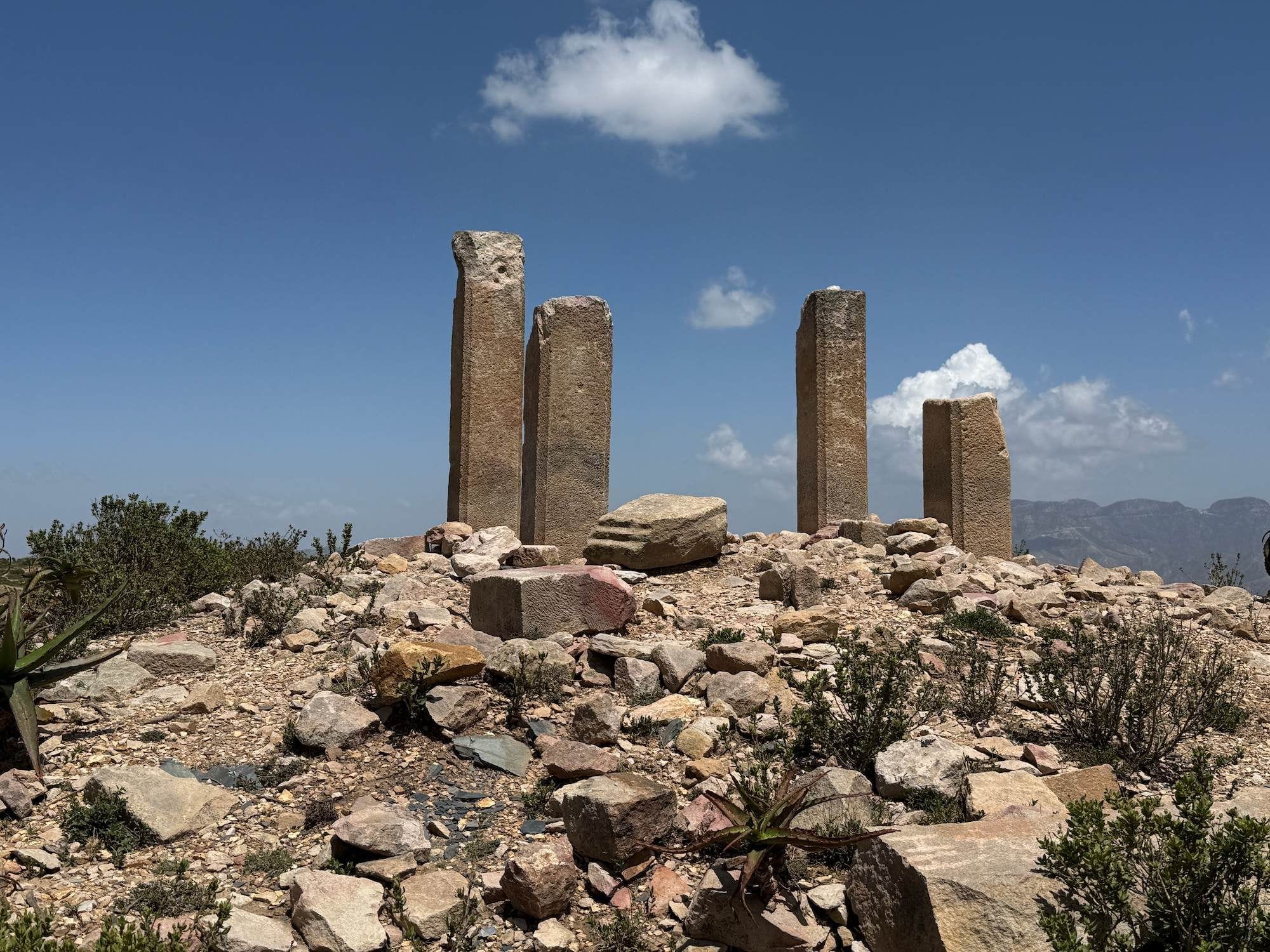
The ancient port of Adulis was once the most important gateway between Africa and the ancient world. At its height between the 1st and 7th centuries AD, Adulis served as the primary Red Sea port of the Aksumite empire, connecting East Africa to Rome, Alexandria, Greece, and India. Today it is one of the most significant and least-visited archaeological sites on Earth, with an active excavation where new history is still being uncovered.
History of the Ancient Port of Adulis
Classical sources including the Periplus of the Erythraean Sea (c. 60 AD) describe the ancient port of Adulis as a prosperous city where Mediterranean merchants exchanged cloth, wine, and bronze for ivory, tortoiseshell, obsidian, and African gold. The city's name derives from an ancient word meaning "white sands". After the 7th century, Arab trade disruptions and harbour silting ended its commercial importance. European explorers documented its ruins from 1840; active excavation continues today by a joint Eritrean-Italian team.
What to See at the Ancient Port of Adulis
- 015th-6th century Byzantine basilica foundationsthe largest visible structure, once a major Aksumite church
- 02Temple and palace ruins, multiple building phases from the 1st–7th century AD, partially excavated
- 03Ancient streets and walls, the city grid can be traced in places across the site
- 04Active excavation trenchesa joint Eritrean-Italian mission has been working the site for over a decade, and when a field season is running (usually Oct–Mar) you may see archaeologists at work. We confirm the current season's status before your visit
- 05Mediterranean pottery fragments, sherds from ancient Rome, Greece, and the Middle East visible on the surface

Things to Do Around the Ancient Port of Adulis
Visit the Gulf of Zula
A few kilometres south of Adulis, the village of Zula sits at the edge of the Gulf of Zula, a 50 km coastal cleft marking the northern end of Africa's Great Rift Valley. The gulf is geologically extraordinary, and the landscape has an otherworldly quality. A 150-year-old Ottoman well in Zula village is worth seeing.

Explore Massawa Old Town
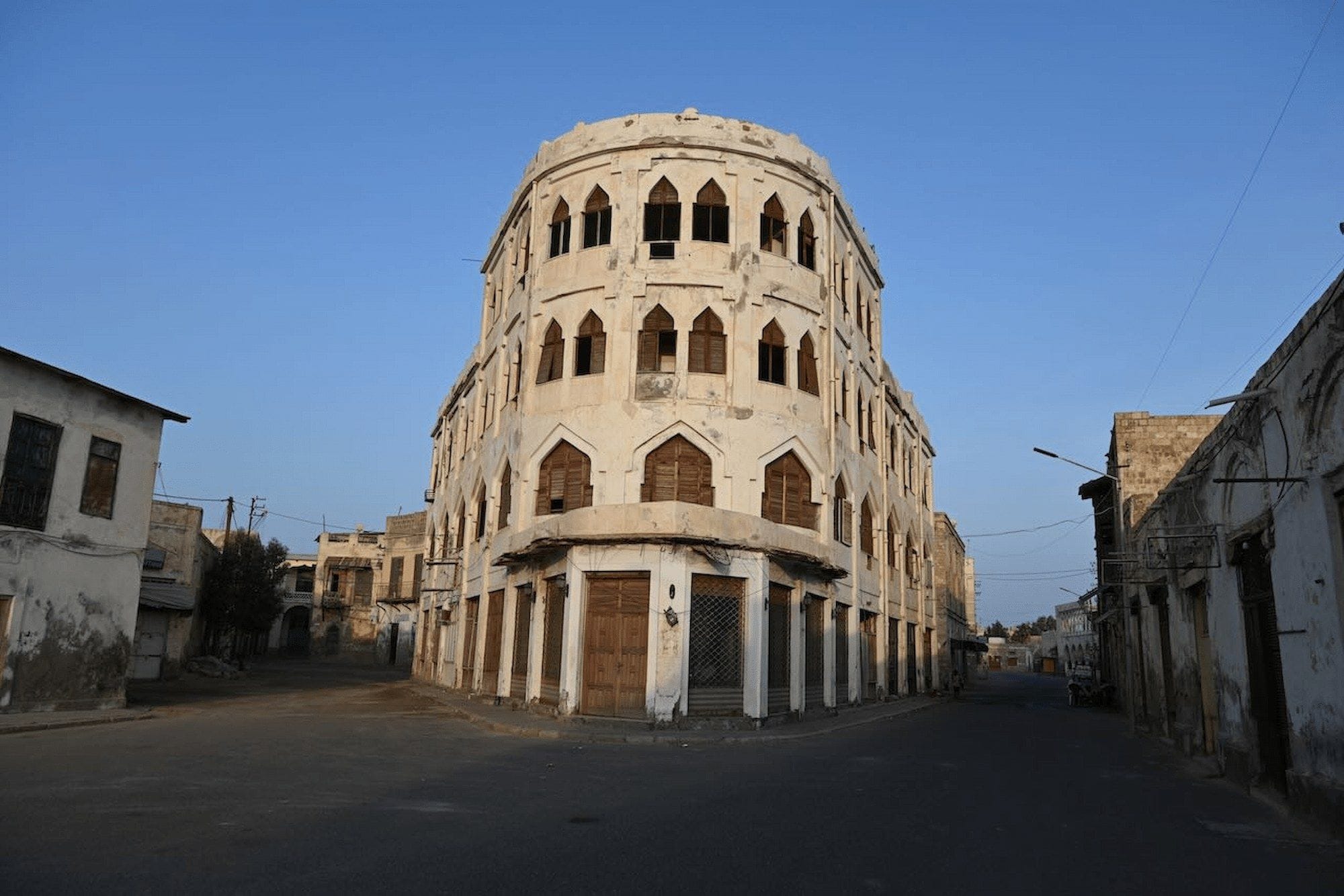
Adulis is always visited as a day trip from Massawa. After visiting the site, spend the afternoon in Massawa's coral-stone old town: the Mosque of the Companions (616 AD), the Sheikh Hanafi Mosque (15th century), the ruined Imperial Palace, and the War Memorial. Fresh Red Sea seafood on the waterfront is the perfect end to the day.
Visit Asmara's National Museum First
The National Museum in Asmara holds the best collection of Adulis excavation finds: pottery, inscriptions, and artefacts from the Byzantine basilica. Visiting the museum before the site makes the ruins far more intelligible. All our Eritrea archaeological tours include a museum visit on Day 1 for exactly this reason.
How to Get to the Ancient Port of Adulis
Adulis is 60 km south of Massawa, reached by a 4WD track along the Red Sea coast. The drive from Massawa takes 1.5–2 hours. Getting to Massawa from Asmara takes around 2.5 hours on the spectacular escarpment road.

Permit required. All visits to Adulis require a government travel permit naming the site, dates, vehicle, and a licensed local guide. We arrange all permits when you book through us. See our Eritrea visa and permit guide.
Best Time to Visit
October to March is best (coastal temperatures 26–32°C). Avoid June–September (40°C+). The archaeological dig season runs Oct–Mar. Bring 3+ litres of water per person, full sun protection, and sturdy walking shoes. There is no shade at the site.
FAQ: Ancient Port of Adulis
- 01
Can I visit Adulis independently without a guide?
No. A licensed guide and a government travel permit are mandatory for all visits. There is no independent visitor access to Adulis. We arrange everything on your behalf as part of our 7-day Eritrea archaeological tour or as a day excursion add-on from Massawa. - 02
Is Adulis worth visiting for non-archaeologists?
Yes, significantly more so with a good local guide. The visible ruins require historical context to appreciate fully. The active excavation and the surrounding landscape of the Gulf of Zula add dimensions that make it memorable even for visitors with no prior interest in archaeology. Most guests who visit say it was an unexpected highlight of their Eritrea trip. - 03
How does Adulis compare to Qohaito?
Qohaito (covered on our archaeological tour and the 9-day tour) is more visually dramatic: standing temple pillars, a dam, and cave paintings at 2,600 m. Adulis is more historically significant for international trade and has the unique draw of an active excavation. Both are exceptional. A dedicated archaeological tour of Eritrea should ideally visit both.