
Zula Archaeological Site Eritrea | History, Permit & Tours
Visit Zula archaeological site near Adulis & Massawa. Learn ancient Aksumite history, get travel permit, and book guided tours to Gulf of Zula.
Zula archaeological site Eritrea is one of the Horn of Africa's most underrated treasures. Tucked along the western coast of the Gulf of Zula, this small town holds the keys to the ancient Aksumite empire, the earliest human migration routes, and some of the most pristine beaches you will ever see. If you truly want to visit Zula Eritrea, you need local knowledge, a travel permit, and a sense of adventure.
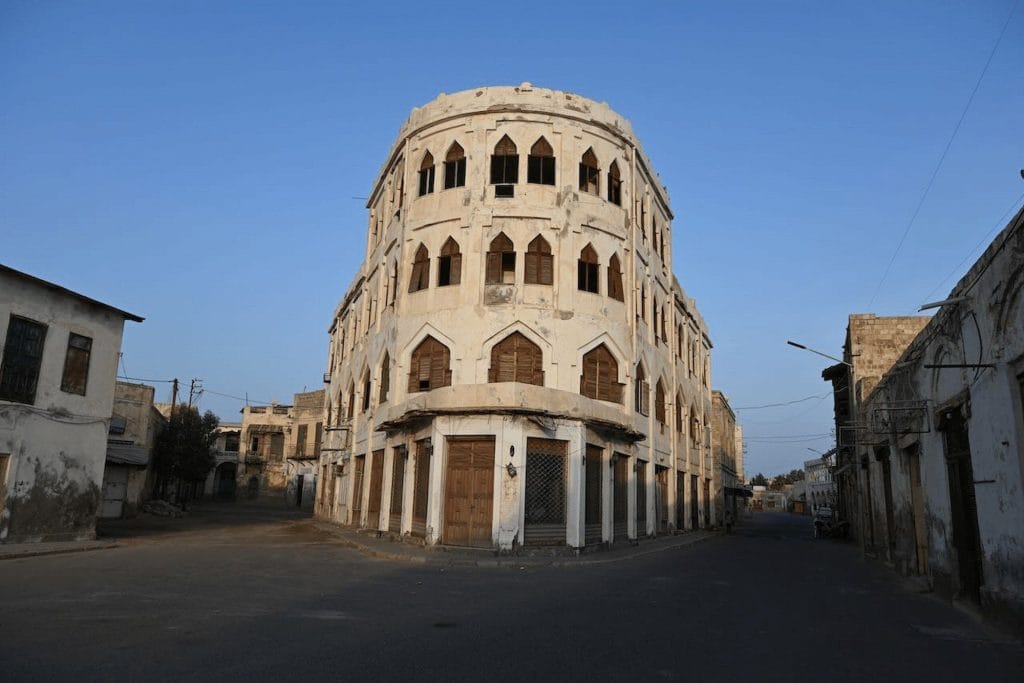
In this complete travel guide, you will learn the history of Adulis archaeological site, how to get a travel permit for Eritrea, what to see at the Gulf of Zula beaches, and why an Eritrea tour operator for Zula like Adulis Travel is your best companion for a well-run, unforgettable journey.
Why Visit Zula Archaeological Site?
Unlike crowded Mediterranean ruins, Zula gives you a raw, authentic encounter with antiquity. Here, you stand exactly where Aksumite merchants unloaded ivory, incense, and gold for the Roman and Byzantine empires. More remarkably, scientists have found obsidian tools over 125,000 years old, proof that modern humans used this very route to leave Africa and colonize the rest of the world.
Add to that the mangrove-lined Aligede River, scuba diving in the Dahlak Archipelago, and the warm hospitality of the Foro agricultural town, and you will understand why Zula travel guide authors call it "Eritrea's hidden heritage coast."
History of Adulis & Zula (1st to 7th century AD)
Zula owes its fame to the nearby port of Adulis. Adulis was already trading with the Mediterranean world by the 1st century AD, and from then until the 7th century it was the principal seaport of the Aksumite empire. Greek merchants called it "the lawful emporium of the Aethiopians." Through this port, Aksum exported rhinoceros horn, tortoise shell, enslaved people, and exotic animals to Egypt, Greece, and beyond. In return, they received glassware, wine, and olive oil.
The Adulis archaeological site still shows the outlines of royal palaces, a Christian basilica dated to the 5th-6th century, and inscriptions in Greek and Ge'ez. Excavations have uncovered Roman coins, Byzantine pottery, and Indian beads, proof of a truly global trading hub. When the Persian Empire and later Islamic expansion disrupted Red Sea trade, Adulis declined, and Zula became a quiet fishing village. But the ruins never disappeared. Today, they are protected as one of the most important Zula archaeological sites in Eritrea.
Top Attractions Near Zula
Zula sits within easy reach of several of Eritrea's most rewarding sights. Combine your visit with the ancient ruins of Adulis, the Red Sea port of Massawa and the dramatic highland descent from Asmara, making the Gulf of Zula a natural stop on a wider eastern Eritrea itinerary.
1. Adulis Archaeological Site
The main reason to travel here. You will walk among stone walls that once enclosed a prosperous city of 5,000–10,000 people. Look for the baptismal font in the basilica and the remnants of a large reservoir. Bring a hat, there is little shade. A local guide (which Adulis Travel provides) will explain the different layers: Aksumite, pre-Aksumite, and even early Islamic occupation.
- 02
The Gulf of Zula & Dahlak Archipelago
Only 4–5 km from town, the Gulf of Zula beaches offer untouched white sand and water so clear you can see starfish at waist depth. From October to March, the sea is calm, perfect for kayaking and snorkeling. The Dahlak Archipelago, a cluster of over 200 islands, is a scuba diver's dream. You can see dugongs, sea turtles, and clouds of glassfish. Day trips can be arranged through your Eritrea tour operator for Zula. - 03
The Aligede River Mangroves
On the south side of Zula, the Aligede River flows between Jebel Gedem and Mount Arbalu, then spreads into a delta of mangroves. This is one of the best places in Eritrea to watch migratory birds (flamingos, herons, kingfishers) and see how mangroves support juvenile fish. A boat ride through the channels is highly recommended. - 04
The Town of Foro (Rural Eritrea)
Six kilometers west of Zula, the small agricultural town of Foro sits at the confluence of three rivers: Haddas, Aligede, and Camaile. Farmers grow sorghum, millet, and vegetables here. Visiting Foro gives you a real look at rural African life, women weaving baskets, children herding goats, and elders drinking coffee. The people are famously cooperative and hospitable.
How to Get to Zula Archaeological Site (Permit Required)
To visit Zula, you need to plan your journey from Asmara carefully. The most important thing to know is that you always need a travel permit to travel anywhere outside Asmara. This applies to Zula as well. The permit process is simple if you use a registered tour operator like Adulis Travel.
⚠️ Important, Travel permits are mandatory
In Eritrea, you always need a travel permit to go anywhere outside Asmara. For Zula and Adulis, you need two permits: first a general travel permit to visit Massawa, then an additional special permit for Zula and Adulis.
Permit Process: What You Need to Know
- 01Two permits required:A general travel permit to visit Massawa, plus an additional special permit for Zula and Adulis.
- 02Licensed guide included:A knowledgeable guide from the tourism ministry will accompany you from Massawa to Zula and explain the entire history of the ancient Aksumite port.
- 03Easy arrangement:Your tour operator (like Adulis Travel) submits your passport details at least 1 day before travel.
- 04Permit details:The permit is issued in Massawa and specifies which sites you may visit (Adulis, Zula, Foro, Gulf area).
- 05Official accompaniment:You will be accompanied by a licensed guide and driver from the tourism ministry throughout your visit.
- 01
Transport Options to Zula
By road: From Asmara, you take the scenic road down to Massawa. The drive takes around 2.5 hours through dramatic mountain landscapes. From Massawa, it is another 60 km south by 4×4 vehicle to Zula, roughly 1.5 to 2 hours on the coastal track. - 02
Why You Must Travel Early Morning (The Heat Is No Joke)
Zula and the coastal area around Massawa are extremely hot: temperatures often exceed 40°C (104°F). Because it gets so hot, we strongly recommend that you travel early in the morning. Here is the smart way to plan your trip:
- 01Overnight in Massawa:Drive from Asmara to Massawa in the afternoon. Stay overnight at a hotel in Massawa.
- 02Leave at dawn:Depart Massawa early the next morning (between 6:00 AM and 7:00 AM) before the heat becomes intense.
- 03Explore Zula & Adulis in the morning:Spend around three hours walking among the ancient ruins while the temperature is still bearable.
- 04Return in the early afternoon:Head back to Massawa before the worst of the afternoon heat. From there you can drive back up to Asmara (around 3 hours on the climb) or stay another night in Massawa.
Best Time to Visit Zula & Adulis
Plan your trip between October and March. These months offer the most tolerable temperatures, and December and January are the most comfortable of all on the coast. Avoid June to September unless you have a high tolerance for extreme heat and humidity.

Do I need a tour operator to visit Zula?
Yes. The Eritrean government requires all foreign tourists to be accompanied by a registered tour operator when visiting restricted zones like Zula. This is for your safety and to protect archaeological sites.
- 01
Is Zula safe for solo travellers?
Zula is visited only with a licensed guide and a travel permit, and our travellers report no problems. The local people are friendly and used to visitors, and crime against foreigners is rare. The realistic risks here are environmental rather than criminal (heat exhaustion and dehydration above all), so follow your guide's advice on water and timing, and check your own government's current travel advice before you book. - 02
How long should I spend at Zula archaeological site?
Most visitors spend 1–2 hours at the Adulis ruins, then 1–2 hours at the Gulf of Zula beach. A full day trip from Massawa is comfortable. If you also want to explore the mangroves and Foro, plan for two days with an overnight stay in Massawa.
Frequently Asked Questions
Frequently Asked Questions
What is the Zula archaeological site known for?
Zula is known for the ruins of the ancient port city of Adulis, one of the most important trading ports of the Aksumite civilization, linking the Horn of Africa with the Roman Empire, Arabia and India.
How do I get to the Zula archaeological site from Massawa?
Zula and the Adulis ruins are located south of Massawa along the Red Sea coast and are typically reached by a guided day trip by 4x4 vehicle, arranged through a registered Eritrean tour operator with the required travel permit.
Do I need a permit to visit Zula and Adulis?
Yes, a travel permit is required to visit Zula and the Adulis archaeological site, as it lies outside Asmara. Tour operators such as Adulis Travel can arrange this permit in advance.
What can visitors see at the Adulis ruins in Zula?
Visitors can see the remains of ancient stone buildings, foundations of churches and dwellings, pottery shards, and the outline of what was once a thriving Aksumite-era port city, now several kilometers from the current coastline.
For more historical sites and practical travel tips, browse our Eritrea travel guide.
Plan your Eritrea trip with Adulis Travel
Read our complete Eritrea travel guide, browse related Eritrea tours, or request a private quote.
More Eritrea travel guides: Eritrea visa · is Eritrea safe? · attractions · Asmara · Massawa · Danakil · the Eritrean railway · Qohaito · the port of Adulis.